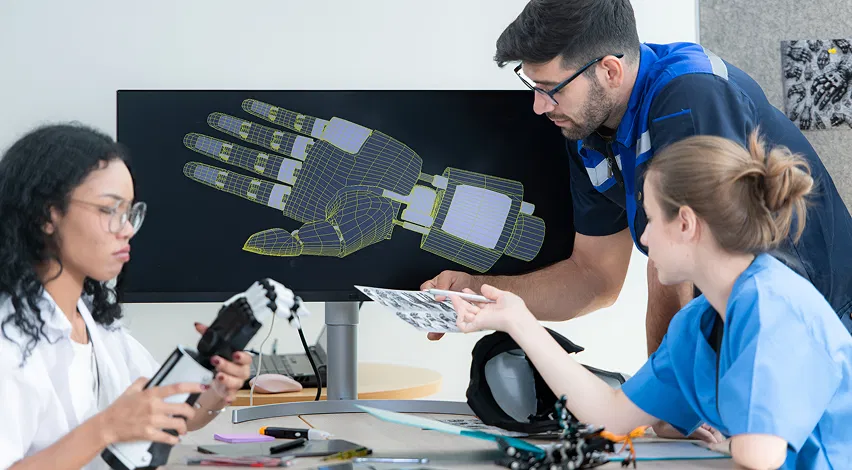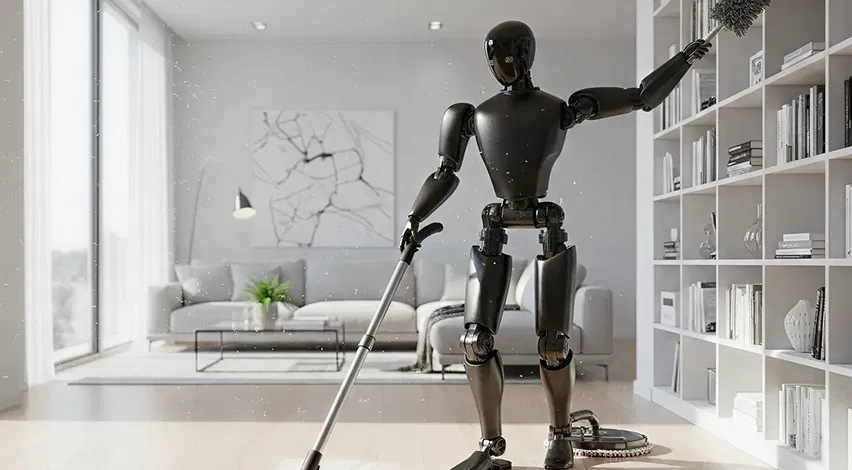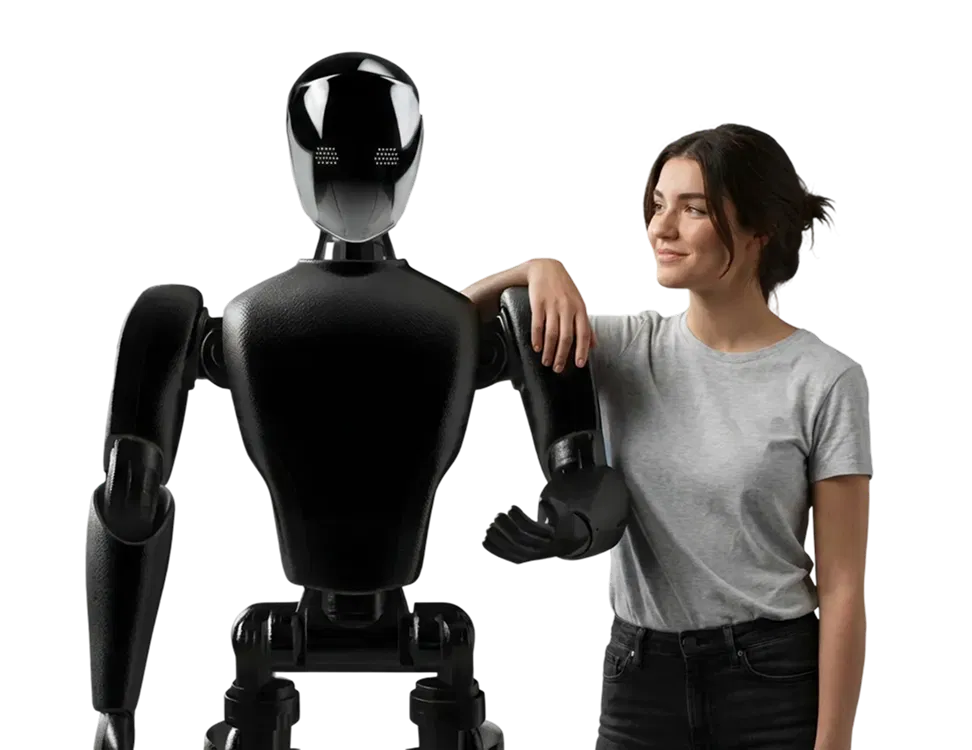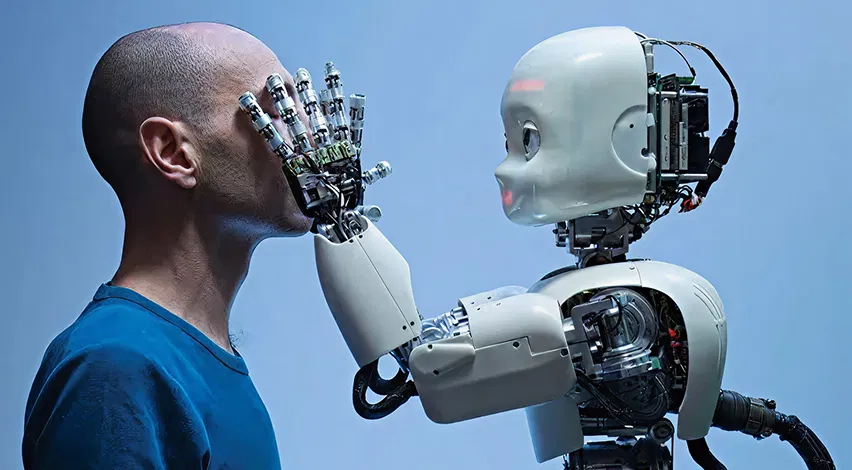
Home robots were once limited to fixed instructions. Today, AI allows them to adapt, learn, and respond to real human behavior. This shift is what makes everyday assistance possible.
From Instructions to Understanding
Traditional robots followed strict rules. AI-powered robots go further by interpreting context and intent.
Understanding Tasks and Context
AI helps robots make sense of:
- Voice commands and tone
- Repeated behavior patterns
- Environmental cues
Instead of reacting blindly, robots begin to understand when and how to assist.
Learning From Daily Routines
Homes run on patterns. Over time, AI systems learn routines such as timing, preferences, and repeated actions. This allows assistance to feel timely rather than intrusive.
Making Assistance Feel Natural
The best AI stays subtle. Users shouldn’t feel watched or managed.
Reducing Friction in Interaction
Effective assistance means:
- Acting when help is needed
- Staying idle when it’s not
- Avoiding unnecessary interruptions
When AI respects personal space and timing, trust grows naturally.
Balancing Intelligence and Privacy
AI-powered learning must remain transparent and controlled. Users should feel confident that data is used responsibly and only to improve assistance.
When AI feels respectful, home robots become helpers rather than observers.